

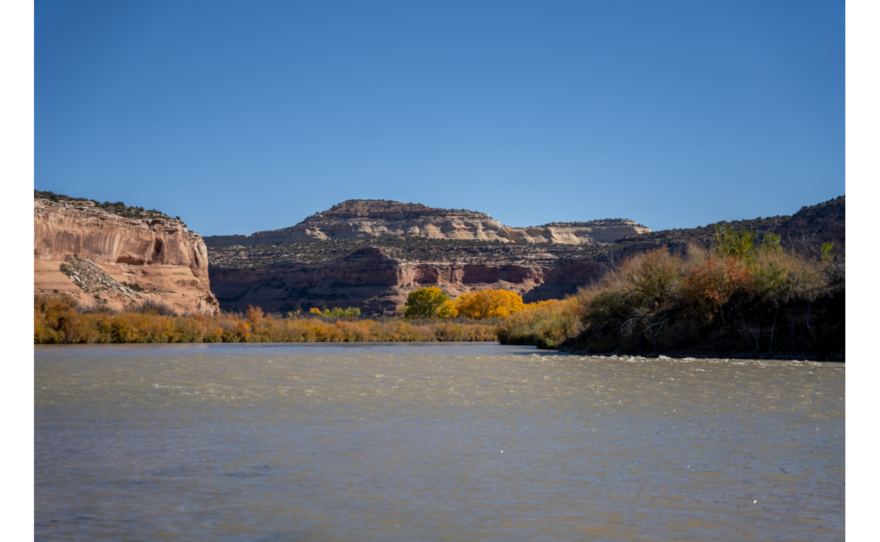
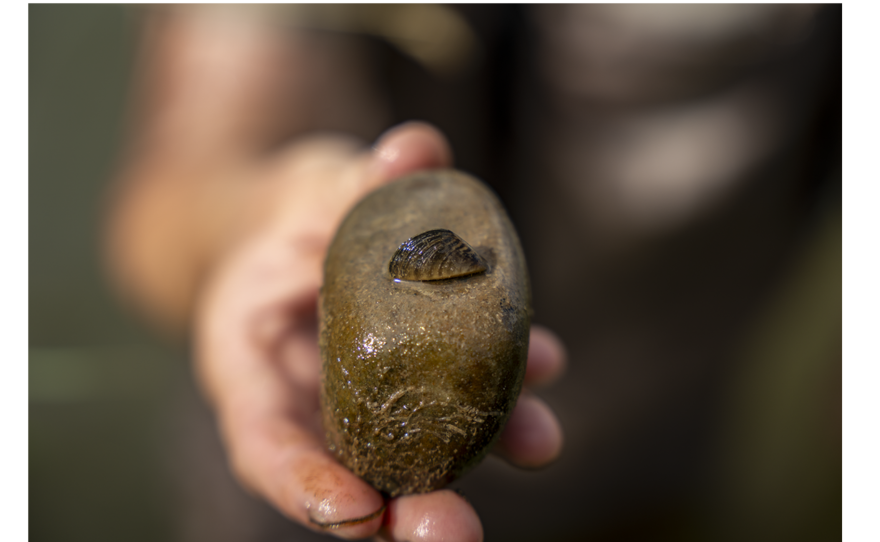
Last year, Colorado Parks and Wildlife began increased sampling efforts on the Colorado River after a microscopic juvenile, or veliger, zebra mussel was detected near Grand Junction. Sporadic efforts turned into weekly excursions looking for the tiny invader that last year caused the draining of Highline Lake. Then, on October 29th, a testing of over 200 locations turned up adult zebra mussels in ponds and channels that feed into the Colorado. CPW has designated the Colorado River as infested from the confluence of the Eagle River down to the Colorado-Utah border. Here's CPW's Rachael Gonzales.
"Essentially, what that says is we have found a reproducing zebra mussel population. From our initial findings in 2024, the Colorado River was already positive because we did find those veligers. We also found additional zebra mussels at Mac Mesa, which is at Highline Lake State Park, where we had previously found adult zebra mussels back in 2023."
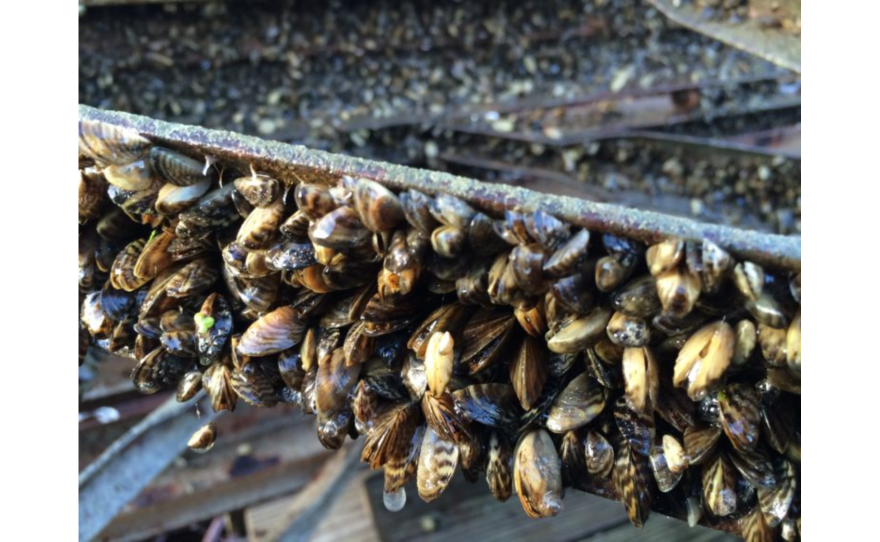
Invasive invertebrates may not seem like an overt threat, but Gonzales says they can do widespread damage to water infrastructure. Zebra Mussels reproduce incredibly quickly and can form clumps that clog pipes and interfere with irrigation. They also pose a serious threat to the ecosystem.
"So as we start to see these infestations and these zebra mussels build up and clogging, it becomes very costly to mitigate.
When you're looking at it from an ecological side of things, they come in, and they filter feed. So they're essentially coming in and taking away all of the good nutrients that our native fish need to survive. And because they like slow-moving waters- some of the pools that you'll see within the river that are great habitat for fish- if they're coming in and taking away the nutrients that the fish need to survive, then you start to see that decline in a fish population.
Also taking away some of those nutrients allows more sunlight to get in. So a lot of these areas where the habitat is in our lakes and our rivers, and our ponds. We could actually lose that, which again is essential for aquatic species like native fish to survive."
Over the summer, a private body of water in Eagle County tested positive for zebra mussels, and the landowner worked with CPW to treat the water with Earth Tech QZ, an EPA-registered copper-based molluscicide. But it's not that simple for the Colorado.
"We have made the decision, and we made that decision earlier this year that we are not going to treat the Colorado River. So a lot of that goes into just the complexity of the river and the number of miles that we have, um, but also native fish species and even the complexity of the irrigation systems that come off, that get water from the Colorado River."
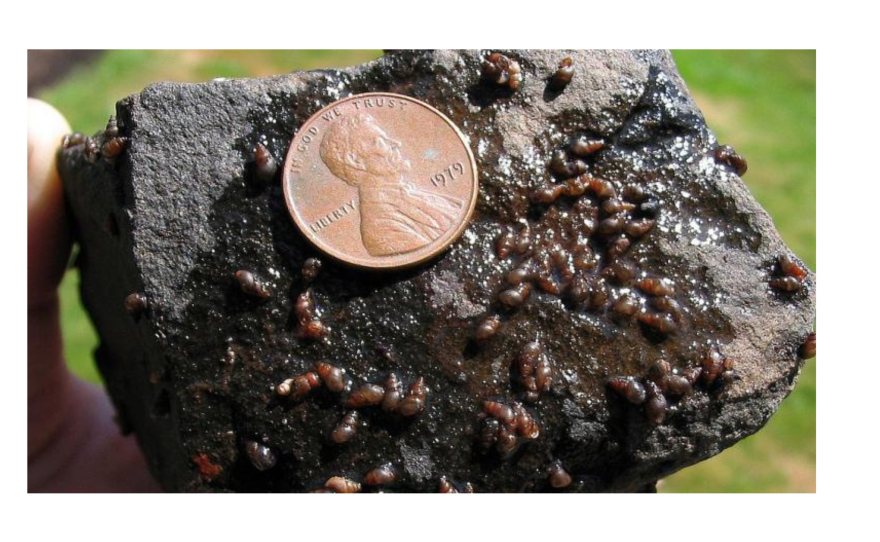
October's sampling efforts also turned up something else. New Zealand mudsnails, deceptively tiny and massively destructive, were found in the Roaring Fork River for the very first time.
"They reproduce rapidly and they eat much of the available food, which means that they are competing with our native invertebrates. And again, you know, because of this, they may reduce the availability of prey for fish, particularly mayflies, caddisflies, and things like that. They're very small, and they reproduce very rapidly through asexual cloning. So again, this is why we place such a strong emphasis on educating anglers. We are also providing decontamination stations along sections of rivers. Essentially what that is, is we're providing brushes, even instructional cards on how to use some of this stuff, just to further help in that prevention of that spreading, whether it's New Zealand mudsnails or zebra mussels."
Gonzales says that CPW is planning on continuing increased sampling efforts to gain a clearer understanding of what's going on in the river. In the meantime, education and prevention is still the best tool we have. Cleaning, draining, and drying anything used in any body of water can prevent the spread of invasive species. Everything from waders, to oars to swimsuits can be contaminated with microscopic veligers or tiny snails. More information and the full map of ANS decontamination stations can be found on the CPW website.
